
One tap to pay.
The stamp comes with it.
Turning % Arabica’s paper stamp card into a Wallet pass that collects its stamp in the same tap as Apple Pay, so the queue gets faster and nobody loses their card again.
The paper stamp card gets lost, and stamping it adds a manual step at the till in the busiest part of the shop.
Payment already takes about a second. The stamp is the slow part, because it only starts once payment ends.
A Wallet pass that collects its stamp in the same tap as Apple Pay. The barista does nothing new.
The store manager backed the idea and approved the brand use. Customer interviews and a pilot are next.
Five steps, one stamp each.
- Step 1 · DoneWatch it happen
Filmed a normal order at our own till.
- Step 2 · NextAsk what people did
What regulars say at the counter. Proper interviews are next.
- Step 3 · DoneCheck the problem
Payment is fast. The stamp is the slow part.
- Step 4 · DoneBuild to test
Compared four setups, designed the pass, built a tap prototype.
- Step 5 · DoneReview and rewrite
Reworked screens that looked generic. Brand use approved.
A good card that lives in the wrong place.
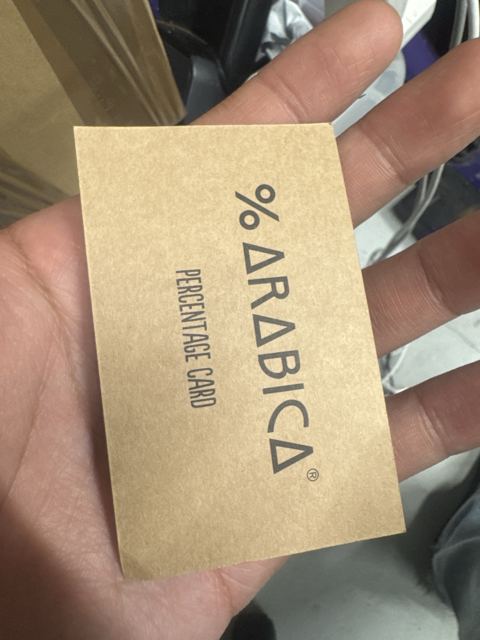
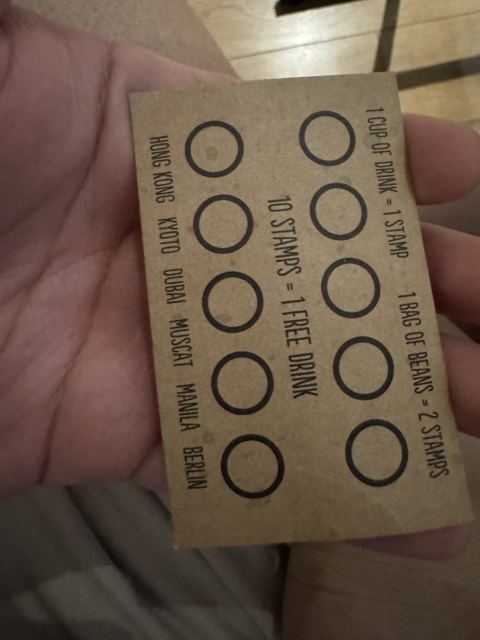
Our loyalty card is a piece of kraft paper with ten empty circles. It looks right for the brand, but it lives in wallets, coat pockets and washing machines. Regulars tell us at the counter that they left it at home, or ask us to “remember” a stamp we have no way to record.
It also costs time. Every stamped order adds a step at the till that has nothing to do with payment, in the busiest part of the shop.
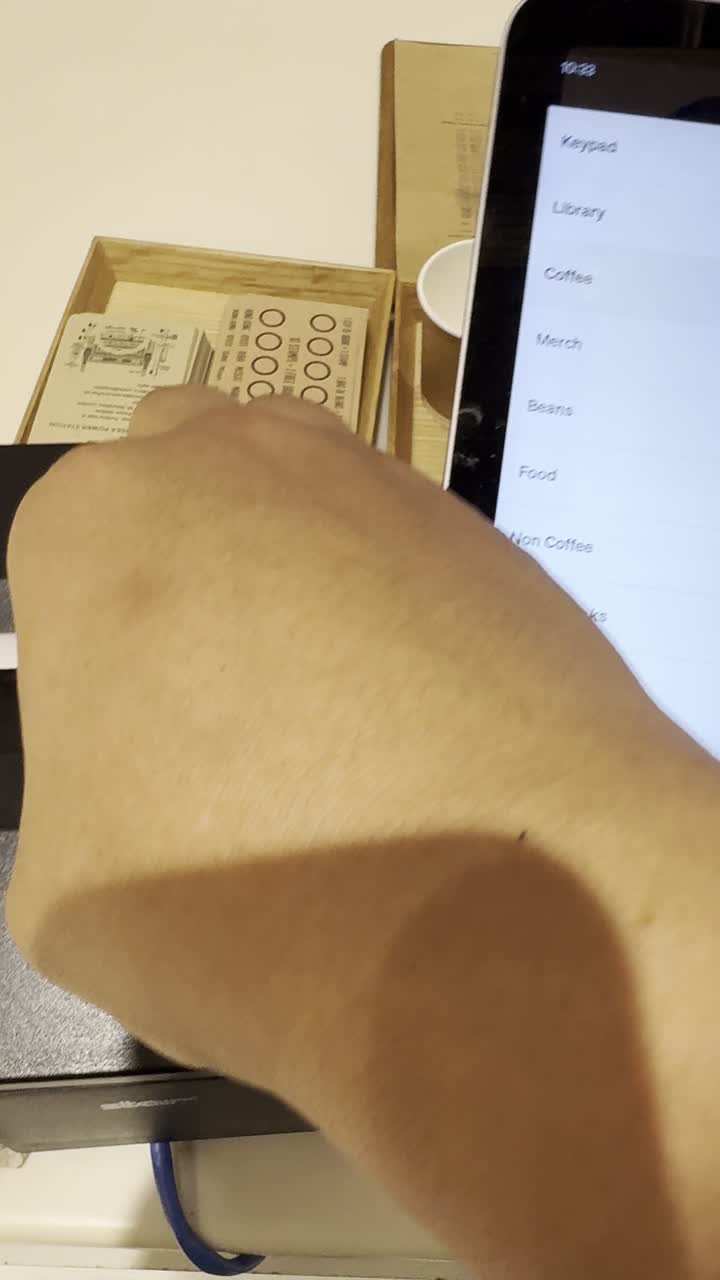
Stamping happens after payment, not with it.
I filmed a normal order on our Square till to see where the time goes. Payment is already fast: the customer taps a card or phone and it’s approved in about a second. The stamp is the slow part, because it’s a second, manual process that starts only when payment ends.
Evidence so far is my own: my shifts at the counter, the till recording, and what customers say at the point of sale. Customer interviews are planned, not run.
- 1 · BaristaRings up the drink
- 2 · CustomerTaps to payOne tap pays and shares the pass. Stamp lands on the phone
- 3 · Customer · extraFinds the paper card, or doesn’t
- 4 · Barista · extraStamps the card
- 5 · Both · extraCard handed back
- Next customer →
Step order from my till recording. The pacing is illustrative, not measured.
Four ways to stamp a phone.
I compared the four realistic setups against what matters at a busy counter: how many extra actions each adds at the till, whether customers can see their card, and how much of the brand we keep. My first idea was a QR card, because that’s what other cafés do.
The NFC pass wins because it’s the only option that is both invisible at the till and visible in the customer’s pocket. iPhone can share a loyalty pass in the same tap as Apple Pay (Apple calls this Value Added Services), and Android has an equivalent called Google Wallet Smart Tap.
The cost is setup, not service: Arabica would need a loyalty platform with NFC pass support, approval from Apple and Google, and a reader that supports pass sharing. That’s the first thing to confirm with Square and the loyalty provider before a pilot.
Same card, new pocket.
I kept the paper card’s identity rather than inventing a new one: the kraft colour, the dark ink, the two rules, the 2 × 5 grid and the line of cities. Each stamp is the % mark knocked out of a dark circle, so a stamp still reads like ink on paper.
Early versions of the screens looked generic, so I kept reworking them until the phones and the card felt like Arabica’s. The store manager approved the brand use.
STAMPS7 / 10One payment, start to finish.
- 1Double-click the side button
The customer opens Apple Pay exactly as they do today.
- 2The pass comes along
Wallet shows the % Arabica pass under the bank card: “Will be shared when you pay”.
- 3One tap on the reader
Payment and pass go in the same tap. The barista does nothing new.
- 4Paid
£4.20 paid, pass shared. The next customer can step up.
- 5The stamp lands
One short notification: 8 of 10, two more to a free drink. No marketing rides on it.
% ArabicaWill be shared when you paySTAMPS8 / 10Six rules the design had to follow.
Most of the effort went into removing steps, not drawing screens. These are the rules that decided what stayed.
Every option that asked staff to scan, type or press a button was cut. At peak the only thing a barista should touch is the drink.
Customers already tap to pay. Sharing the pass in that same tap means the habit doesn’t change, so there’s nothing to teach.
Payment-linked loyalty hides the count in a receipt. A loyalty card works partly because you can see it fill, so the pass sits in Wallet next to bank cards.
Arabica is strict about design. Reusing the kraft, ink and grid made the pass feel like the same object, and made brand approval an easier conversation.
NFC fails sometimes: an old reader, a case, a flat battery mid-tap. The pass carries a barcode a barista can scan as plan B, so nobody loses a stamp.
One short Wallet notification confirms the stamp and the count. No marketing rides on it, so people keep notifications on.
Six ways it could go wrong, and the answer to each.
- A bag of beans
- Beans earn 2 stamps. Beans are a separate category on the till, so the loyalty rules can add 2 from the same tap.
- The free drink
- At 10 stamps the pass shows “Free drink ready”. The next tap applies it at the till and the card resets to 0.
- Android
- Google Wallet Smart Tap does the same job. It needs its own approval, so iPhone may launch first.
- No smartphone
- Paper cards stay on the counter during the switch. Nobody should lose access to a reward.
- Moving from paper
- A barista can add the stamps from someone’s paper card once, when they first add the pass.
- Sharing switched off
- The barcode on the pass still works, and the notification never appears by surprise.
From proposal to pilot.
The manager has backed the idea and approved the brand use. None of this has been tested with customers yet, so the next steps are about evidence, not polish.
- Sep 2026 · doneObserve the till, compare options, design the pass and flow
- Next6 to 8 customer interviews and 30 quick counter questions
- ThenConfirm NFC pass support with Square and a loyalty platform
- Pilot2 to 4 weeks at Battersea, paper cards still available
How the pilot will be judged
My first idea was a QR card. Watching our own till for 30 seconds showed payment was already fast, and scanning would only add a second slow step.
Most of the design effort went into removing steps, not drawing screens.
This case study ends at a plan on purpose. The interviews and pilot will tell me if the tap really beats paper, and I’ll update this page with what we find.
The fastest stamp is the one that comes with the payment.